Need emergency tree removal services in Tucker?
Tell us about your tree and request an estimate. A local provider in our network will follow up. You can also email contact@debutfemale.living.
No obligation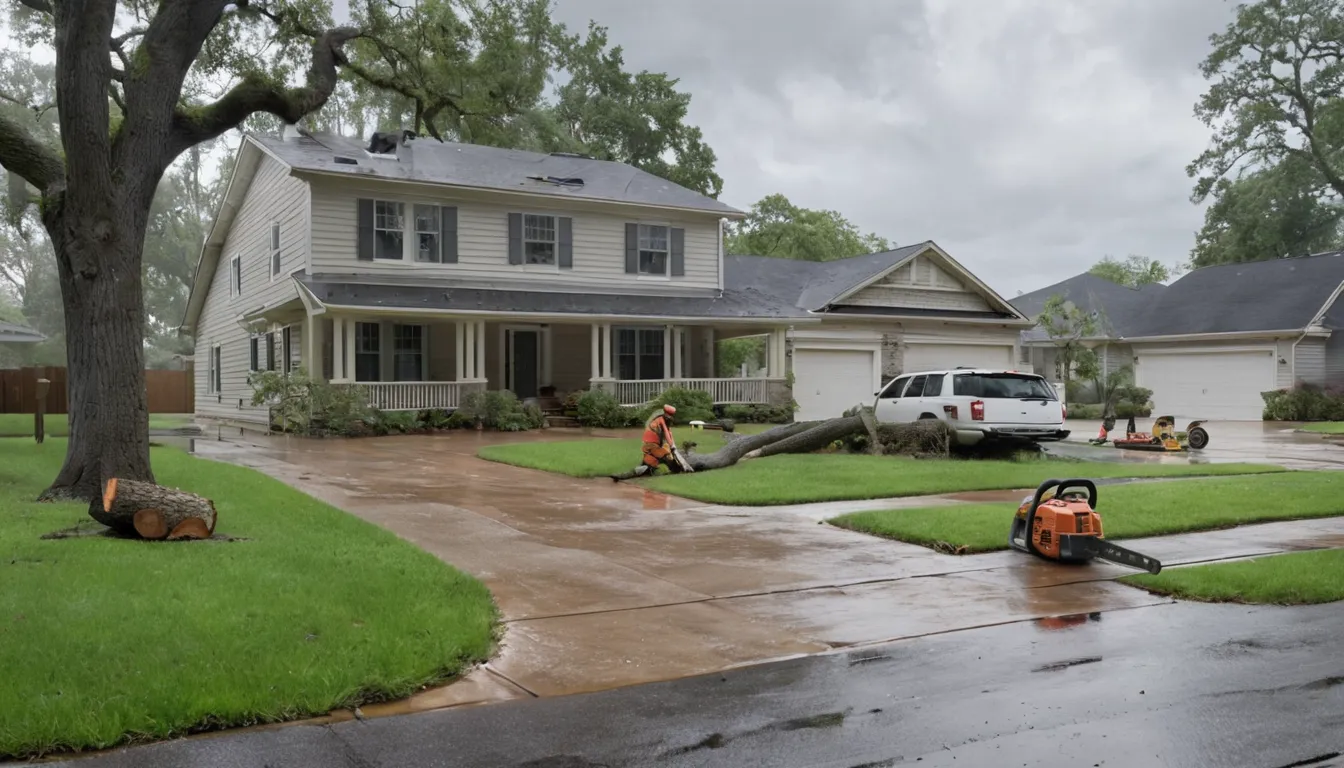
Request an estimate
A storm just hit, and a tree is where it should not be. Maybe it lies across the driveway. Maybe it rests on the roof or fence. Debutfemale Tree Service helps you sort out what is urgent and what can wait.
Debutfemale Tree Service is a referral service. It does not cut or haul trees. You send a short request, and Debutfemale Tree Service connects you with an independent provider in our network near Tucker. The provider looks at the job, explains the plan, and gives you a quote before work starts. Many providers can respond quickly after storms, but availability changes with the weather. You stay in charge of every choice, and there is no obligation to hire anyone.
Take a breath. Then do these things in order.
Wet ground can carry power. So do not walk near a downed line, even in your own yard.
Some small jobs are fine for a careful homeowner. Picking up twigs and thin branches from the grass is one. Wear gloves and sturdy boots. Lift with your legs.
A ladder changes things. So does a chainsaw. Both are pro work in a storm yard. Wood that is bent or pinned can snap back with huge force. Pros call this "tension." It is hard to spot, and it hurts people every year.
Call for help fast when you see any of these:
These trees can move again. Wind or rain can finish the job.
Not every fallen tree is a crisis. A tree in a far corner of the yard, with no damage, can often wait. So can a small limb on the lawn.
Keep kids and pets away from it. Then plan the work for a calmer time. This saves stress, and it may keep your costs down.
Here is a plain rule. If the tree touches a roof, a wire, or a fence, do not touch it. If you must climb to reach it, do not climb. If you need a saw longer than your arm, stop.
A tree falling service has the gear for this. That means ropes, lifts, cranes, and trained hands. These tools keep the tree, and your home, under control.
The steps are simple.
You can say no at any point. Quote before work is the rule.
The provider checks how the tree sits. They look at what it touches and where it may roll. They check your roof, wires, fences, and any soft ground.
Then they pick a plan. Some trees come off in small sections. Others need a crane. Ask them to explain the plan in plain words.
Cutting the tree is only part of the job. Ask if the quote includes hauling away the wood, or if the logs stay on your lawn.
A stump is what is left of the trunk at ground level. Stump grinding chops it below the soil. It is often a separate line on the quote. Many people do it later, once the storm stress fades.
Some policies may cover sudden damage from a fallen tree. Rules differ, so check your policy. Look at the deductible, which is the part you pay first.
Providers can often help document damage for a claim. Ask for a written quote, dated photos, and an invoice. Your insurer makes the final call on what it covers.
A busy home still has school runs and work calls. Tell the provider about your schedule. Mention nap times, pets, and parked cars.
Ask how long the work will take and how much noise to expect. Ask where the crew will park. A short chat up front keeps the day calm.
After a major storm, many homes need help at once. Providers sort jobs by danger. A tree on a bedroom roof comes before a tree in a back lot.
So you may wait. Prices can rise when demand spikes. Stay patient, and keep the area roped off. Request a callback to check provider availability in your area.
If a roof is open, a provider may place a tarp. Keep your photos handy. Move cars and outdoor items away from the tree. Do not go under a leaning trunk to grab them.
Hot, humid summers and sudden storms are hard on trees. Ice can add heavy weight. Try these habits:
Older yards often have tall trees close to the house. Newer lots may have young trees that need shaping. Both benefit from a check.
Good providers answer these with ease. If answers feel vague, ask again or get another quote.
Providers cut and clear trees that have dropped across yards, driveways, fences, and roofs.
Broken limbs and snapped trunks get cut into pieces and moved so you can use your yard again.
Hanging or cracked limbs that threaten people or property can be brought down in a safe, planned way.
Ask about hauling, wood chips, and stump grinding when you request your quote.
Prices vary by tree size, access, and risk. These are typical U.S. ranges only. Storm demand can push prices up, so always get a written quote before work.
| Job | Typical range | Notes |
|---|---|---|
| Small tree or large limb down in yard | $300 – $1,000 | Easy access, no damage |
| Large tree removal after a storm | $1,000 – $3,500 | Height and trunk width matter |
| Tree on roof or house | $1,500 – $10,000 | Needs careful cutting, often a crane |
| Blocked driveway clearing | $250 – $1,200 | Depends on trunk size and pieces |
| Crane or lift add-on | $500 – $2,500 | Used when ground access is tight |
| Stump grinding | $100 – $600 per stump | Price grows with stump width |
Move people away, stay clear of power lines, and take photos from a safe distance.
Share your address, a few photos, and a short note about the tree.
A local provider reviews the job and gives you a written quote.
You say yes, and the provider cuts and clears the tree.
You see a written quote first, so you know the price before any saw starts.
Local providers do the work. Debutfemale Tree Service only makes the first connection.
Ask questions, compare quotes, and take your time. There is no obligation.
Short words, no jargon, and quick definitions for trade terms you hear.
Tell us about your tree and request an estimate. A local provider in our network will follow up. You can also email contact@debutfemale.living.
No obligationTell us about your tree and request an estimate. A local provider in our network will follow up. You can also email contact@debutfemale.living.
No obligation